



Startups face constant pressure to grow with limited time, small teams, and tight budgets. Every marketing decision has to support clear business goals, and content marketing gives startups a practical way to build visibility, earn trust, and attract the right audience over time.
A well-planned content strategy helps potential customers find your business, understand your expertise, and move closer to making a purchase. It also creates valuable assets that continue working long after they’re published, from blog posts and guides to videos and social media posts.
The challenge is knowing where to start. Many startups produce content without a clear purpose, audience, or plan, which leads to inconsistent results. A solid understanding of the fundamentals helps you avoid that cycle.
In this guide, we’ll cover the core principles every startup should know, along with practical tips that make it easier to create content that supports steady, long-term growth.
Clear Product Messaging
People decide within seconds whether a website deserves their attention. Your messaging shapes that decision before visitors read product features, compare pricing, or book a demo.
Clear product messaging answers the questions every potential customer has: What does this company do? Who is it for? Why should I care?
To achieve that:
- Craft a simple value proposition that explains your product in one sentence.
- State the problem you solve, the audience you serve, and the result customers can expect.
- Use plain language instead of technical terms or internal jargon.
- Follow your headline with a short supporting paragraph that adds context without repeating the same message.
- Keep that positioning consistent across your homepage, landing pages, and product pages.
- Test your copy with people who have never heard of your business. If they can’t explain your offer after reading the hero section for ten seconds, keep simplifying until they can.
Here’s an example of how this works in practice:
The headline communicates the value proposition right away, while the supporting copy explains what the company offers and who it’s built for. Visitors quickly understand the offer because the messaging answers their key questions without overwhelming them with details.
This clarity builds confidence, reduces friction, and gives people a strong reason to continue exploring the website.
Educational Content That Answers Customer Questions
People rarely make a purchase after reading a single page. They research, compare options, and look for reliable answers before making a decision.
Educational content supports that process by helping potential customers solve problems, understand unfamiliar topics, and make informed choices. It also strengthens your credibility.
To achieve that:
- Discover the questions your audience asks before buying your product or service.
- Review customer emails, sales calls, online communities, and keyword research to uncover recurring topics.
- Turn each question into a dedicated article, guide, or video that provides clear, practical answers.
- Cover the topic thoroughly, avoid unnecessary promotion, and update your content regularly as customer needs change.
- Organize related articles into topic clusters so readers can easily find additional resources and continue learning.
- Focus on helping first, and conversions will follow naturally as your expertise becomes clear.
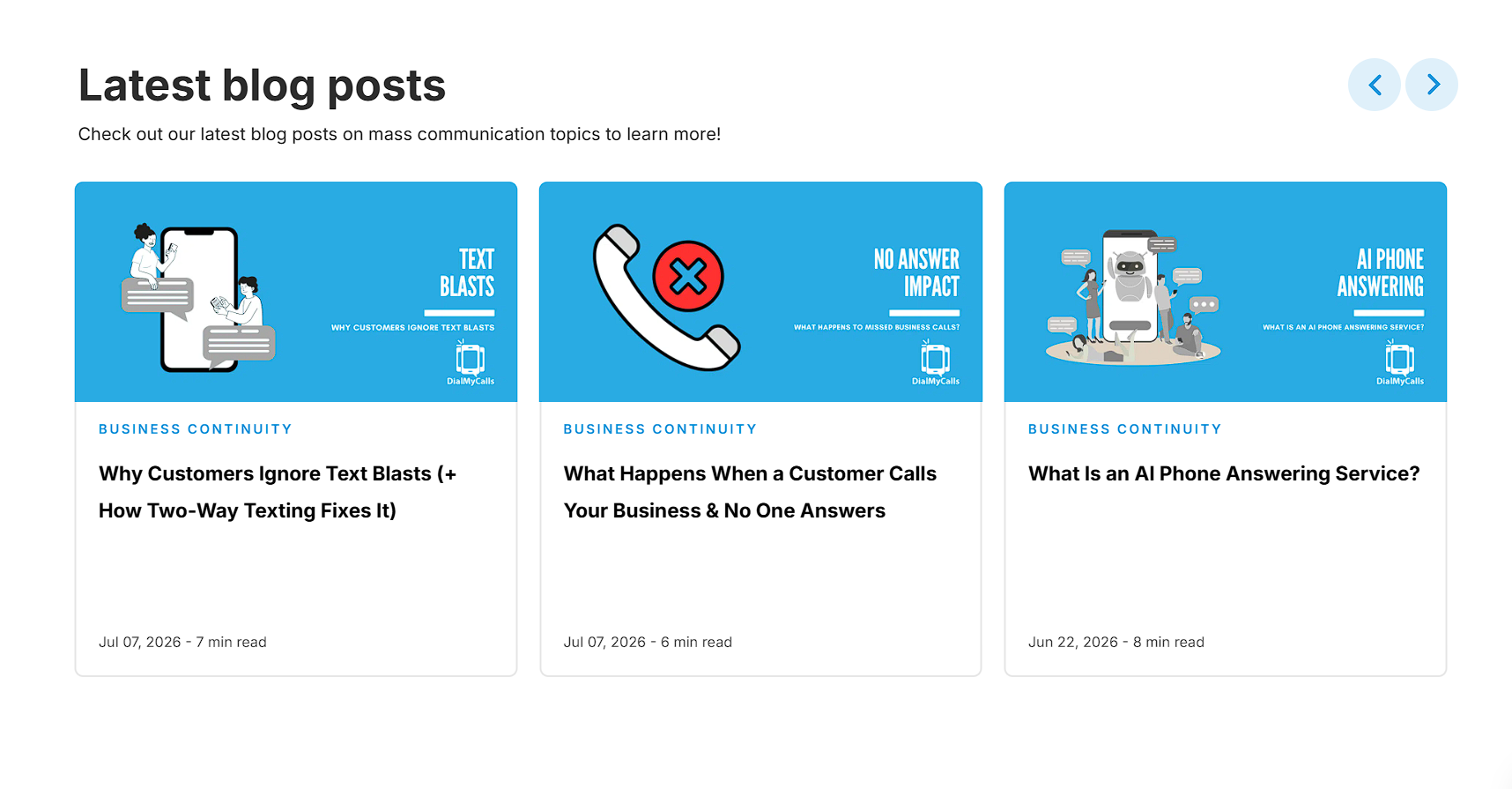
Each resource delivers useful information without overwhelming readers, making it easier for businesses to solve immediate problems while learning where text messaging fits into their communication efforts. This educational approach positions the brand as a reliable source of knowledge while attracting highly relevant organic traffic from people already looking for answers.
Over time, that combination of trust, visibility, and helpful content supports stronger customer relationships and sustainable growth.
Simplifying Complex Topics for New Audiences
Many startups operate in industries that involve specialized knowledge, technical processes, or unfamiliar terminology. While your team may understand every detail, first-time visitors often don’t.
Content that explains complex topics in simple language helps people learn faster, builds confidence, and removes uncertainty before they consider your solution.
When readers understand your industry, they’re far more likely to understand the value of your product as well.
To achieve that:
- Recognize the concepts that regularly confuse potential customers.
- Replace technical terms with everyday language whenever possible, and explain unavoidable industry terminology in plain English.
- Break larger topics into smaller sections with descriptive headings, short paragraphs, and practical examples that reinforce your explanation.
- Create beginner-friendly guides that answer foundational questions before moving into advanced topics.
- Review your content from the perspective of someone discovering your industry for the first time, and remove assumptions that require prior knowledge.
- The easier your content is to follow, the easier it becomes for readers to trust your expertise and continue exploring your website.
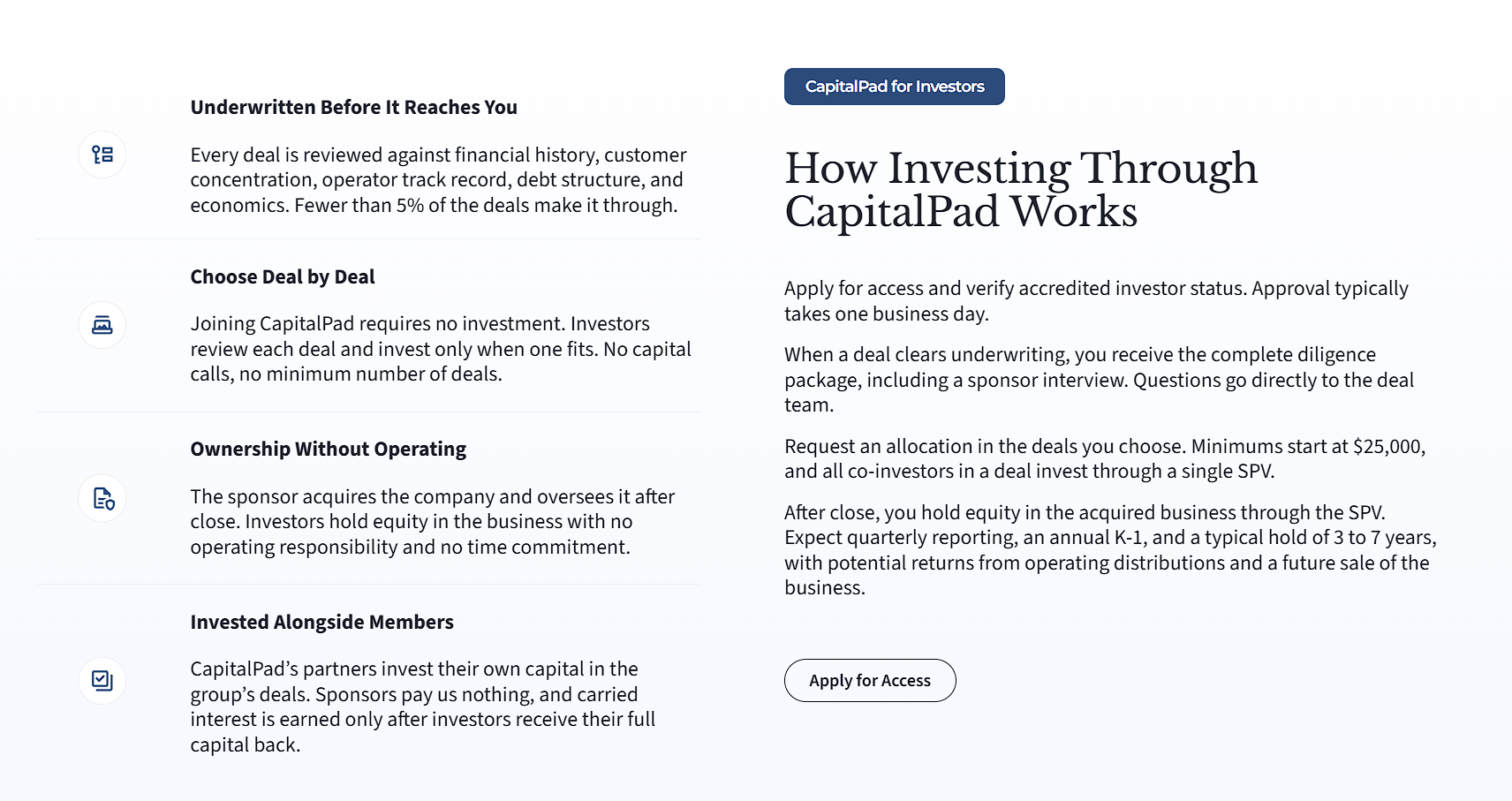
Instead of relying on complex industry language, the company explains core concepts in a way that’s approachable for newcomers while still providing enough detail to educate prospective investors. Each explanation builds understanding step by step, helping readers become comfortable with an investment approach they may never have encountered before.
That educational experience reduces friction, answers important questions early, and creates a smoother path toward deeper engagement. Prospects leave with greater confidence because the content prepares them before asking them to evaluate opportunities or take the next step.
Building Authority Beyond Your Core Service
Startups often focus their content on explaining their products, features, and services. That information matters, but audiences also need broader guidance connected to their goals and challenges.
Creating content around related topics helps your brand become a valuable resource instead of a company people only visit when they need a specific solution.
This approach expands your reach and gives potential customers more reasons to engage with your content.
To achieve that:
- Figure out the broader goals your customers are trying to achieve.
- Look beyond your immediate offer and explore the questions, problems, and decisions that appear before and after someone uses your product.
- Build content around industry trends, practical advice, common mistakes, and helpful resources that support your audience at different stages.
- Use your expertise to provide useful information while keeping the connection to your service natural.
- Create content categories that reflect your audience’s journey, then publish consistently to build recognition over time.
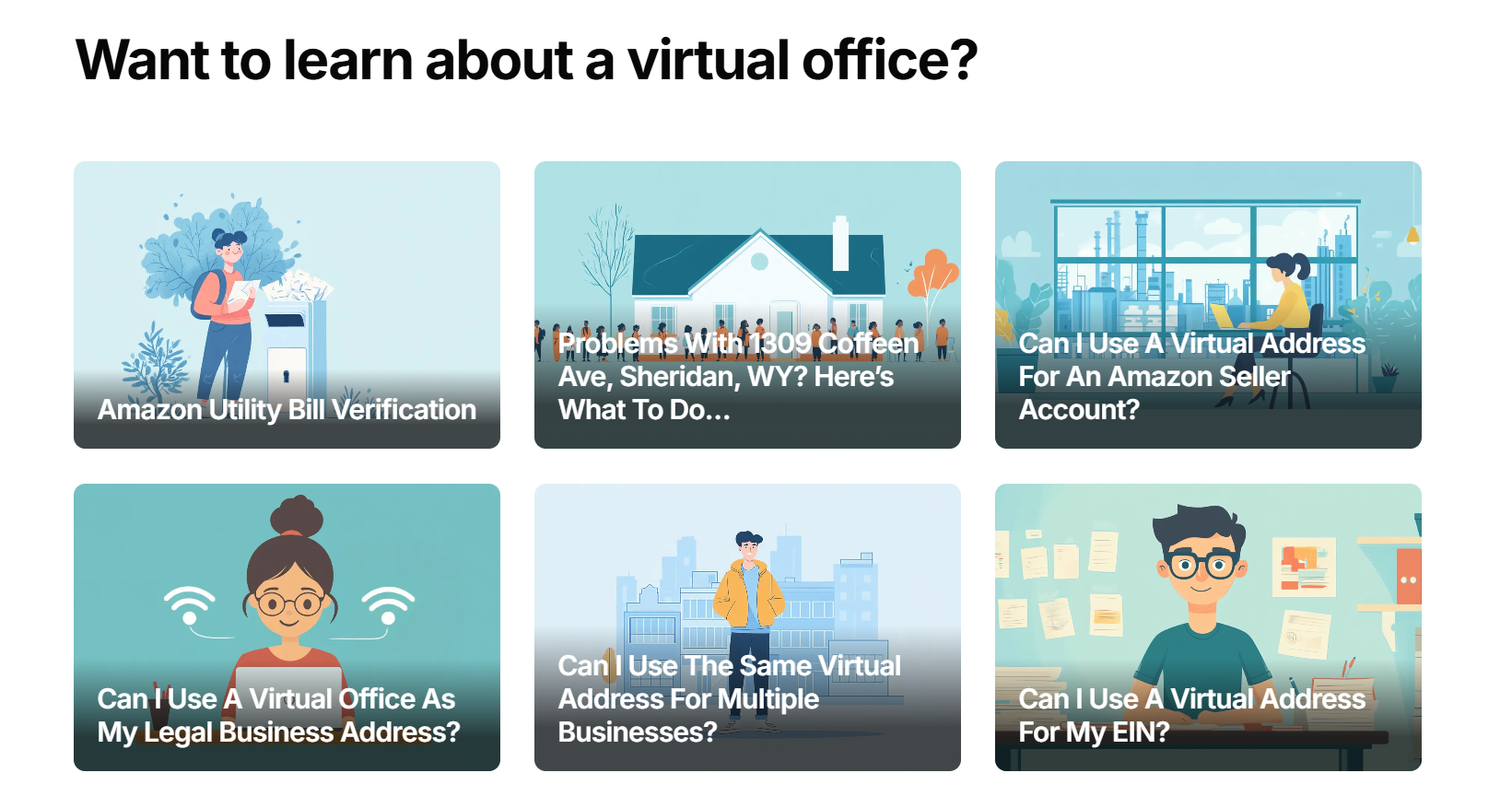
Its blog covers topics that extend beyond setting up an LLC, including guidance relevant to entrepreneurs managing and growing their businesses. By addressing a wider range of business questions, the company attracts audiences who are researching different stages of entrepreneurship, not only those ready to form a company.
This approach helps Start in Wyoming become a resource entrepreneurs can return to throughout their business journey. The brand strengthens trust by offering helpful information across related topics while maintaining a clear connection to its core services.
Repurposing High-Performing Content Across Multiple Channels
Creating valuable content takes time, research, and planning. Startups can increase the impact of their work by finding new ways to share content that already performs well.
Repurposing allows one strong piece of content to reach different audiences across multiple platforms while maintaining a consistent message. It also helps brands stay active without creating every piece of content from scratch.
To achieve that:
- Review your existing content to identify articles, guides, videos, or reports that generate strong engagement, traffic, or conversions.
- Look for opportunities to transform these resources into different formats based on where your audience spends time.
- A detailed blog post can become a LinkedIn carousel, short video, email newsletter, social media posts, or a downloadable checklist.
- Adapt the format and tone for each channel instead of copying the same content everywhere.
- Track performance across platforms to understand which formats connect best with your audience, then repeat the process with future high-performing resources.
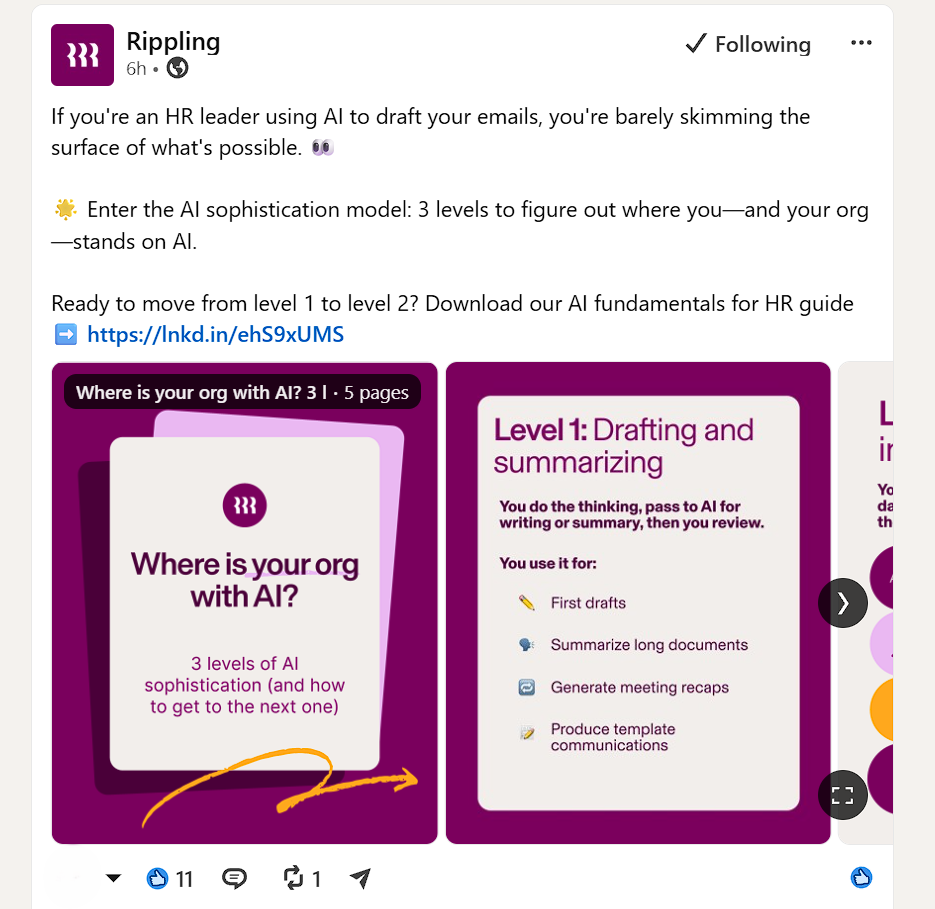
Rippling, a cloud-based workforce management platform that helps businesses manage HR, payroll, and employee operations, uses this approach effectively.
The company regularly publishes detailed blog articles, guides, and educational resources that address workplace challenges. It then transforms key insights from those resources into shorter social media content designed for quick consumption, while directing audiences back to the complete materials on its website.
This strategy allows Rippling to reach professionals at different stages of their research process while maximizing the value of each resource it creates.
Final Thoughts
Content marketing gives startups a practical way to build awareness, educate potential customers, and create lasting relationships with their audience. Startups can build authority by explaining complex ideas, exploring topics beyond their core service, and sharing valuable insights across multiple channels.
A successful content strategy requires understanding what your audience needs, creating resources that answer those needs, and improving your approach based on results.
By applying these fundamentals consistently, startups can create content that supports their growth, strengthens their brand reputation, and helps customers make confident decisions.
FAQ on content marketing fundamentals for startups
What is content marketing for startups?
Content marketing for startups is the practice of creating useful, relevant content that attracts potential customers and builds trust over time. Instead of relying only on paid ads, founders can use blog posts, guides, videos, and social content to explain their value and answer buyer questions. This approach is especially powerful for lean teams because each asset can keep generating traffic and leads long after publication. For an entrepreneurial business, that means compounding visibility without constantly increasing spend.
Why is content marketing important for early-stage companies?
Early-stage companies need cost-effective ways to build awareness, credibility, and demand, and content marketing does all three. It helps startups get discovered in search, educate uncertain buyers, and position themselves as experts before a sales conversation even begins. When done well, content also shortens the trust gap that often exists between a new brand and a cautious customer. For founders trying to grow smart, content becomes a long-term business asset rather than a one-time campaign.
How can startups create clear product messaging?
Startups can create clear product messaging by answering three simple questions fast: what the product does, who it helps, and why it matters. Strong messaging avoids jargon, focuses on the customer’s problem, and communicates the outcome in plain language. Founders should test their homepage copy with people unfamiliar with the business to see whether the offer is instantly understandable. If visitors need too much explanation, the messaging is too complex and likely hurting conversions.
What type of content should startups publish first?
The best first content for startups is educational content that answers real customer questions. This includes articles, FAQs, beginner guides, comparison pages, and practical how-to content tied to the buying journey. By focusing on what potential customers are already searching for, startups improve their chances of attracting qualified traffic with limited resources. It is a practical founder move because you create content with direct business relevance instead of publishing for vanity.
How does educational content help convert readers into customers?
Educational content helps convert readers by reducing confusion and increasing confidence before purchase. When a startup explains industry concepts, common problems, and possible solutions clearly, readers begin to trust the brand behind the advice. That trust makes them more likely to return, subscribe, request a demo, or buy when the time is right. In other words, helpful content warms up leads without aggressive selling.
How can startups simplify complex topics for new audiences?
Startups can simplify complex topics by replacing technical language with clear explanations, shorter sections, and real-world examples. Founders often forget that first-time visitors do not share their industry knowledge, so content must be designed for beginners first. A strong educational page builds understanding step by step and removes assumptions that make readers feel lost. This is especially valuable in technical or regulated markets where clarity can become a competitive advantage.
What does it mean to build authority beyond your core service?
Building authority beyond your core service means creating content around the broader goals, challenges, and decisions your audience faces. Instead of only writing about your product, you also cover adjacent topics that matter to customers throughout their journey. This widens your reach, increases return visits, and turns your brand into a trusted resource rather than just another vendor. For startups with ambitious growth plans, that broader authority can open doors to partnerships, leads, and stronger brand recall.
How can startups repurpose content across multiple channels?
Startups can repurpose content by taking one strong asset, such as a detailed blog post, and adapting it into social posts, newsletters, short videos, carousels, or checklists. This saves time while expanding reach across platforms where different audience segments spend their attention. The key is to tailor the format and message to each channel instead of posting identical content everywhere. For lean entrepreneurial teams, repurposing is one of the smartest ways to get more return from every piece created.
What are the biggest content marketing mistakes startups should avoid?
One of the biggest mistakes is creating content without a clear audience, goal, or distribution plan. Other common issues include inconsistent publishing, weak product messaging, overly promotional writing, and ignoring search intent. Startups also fail when they publish content but never measure performance or update old articles. A disciplined content strategy works best when every piece supports business growth, not just content output.


