



Selling digital wellness programs focused on mental health offers one of the most lucrative and impactful opportunities for entrepreneurs. With the global mental health crisis driving demand for both innovative and accessible solutions, the digital wellness space is projected to experience exponential growth. Combined with advancements in technology like AI, wearable integrations, and personalized treatment plans, this industry makes for an excellent market entry point.
In this article, we’ll explore proven strategies, statistics, and actionable steps to successfully sell digital mental health solutions online. If you’re looking to tap into a booming market with minimal investment and significant value creation, this guide is for you.
Market Exploration: Why Digital Wellness Programs NOW?
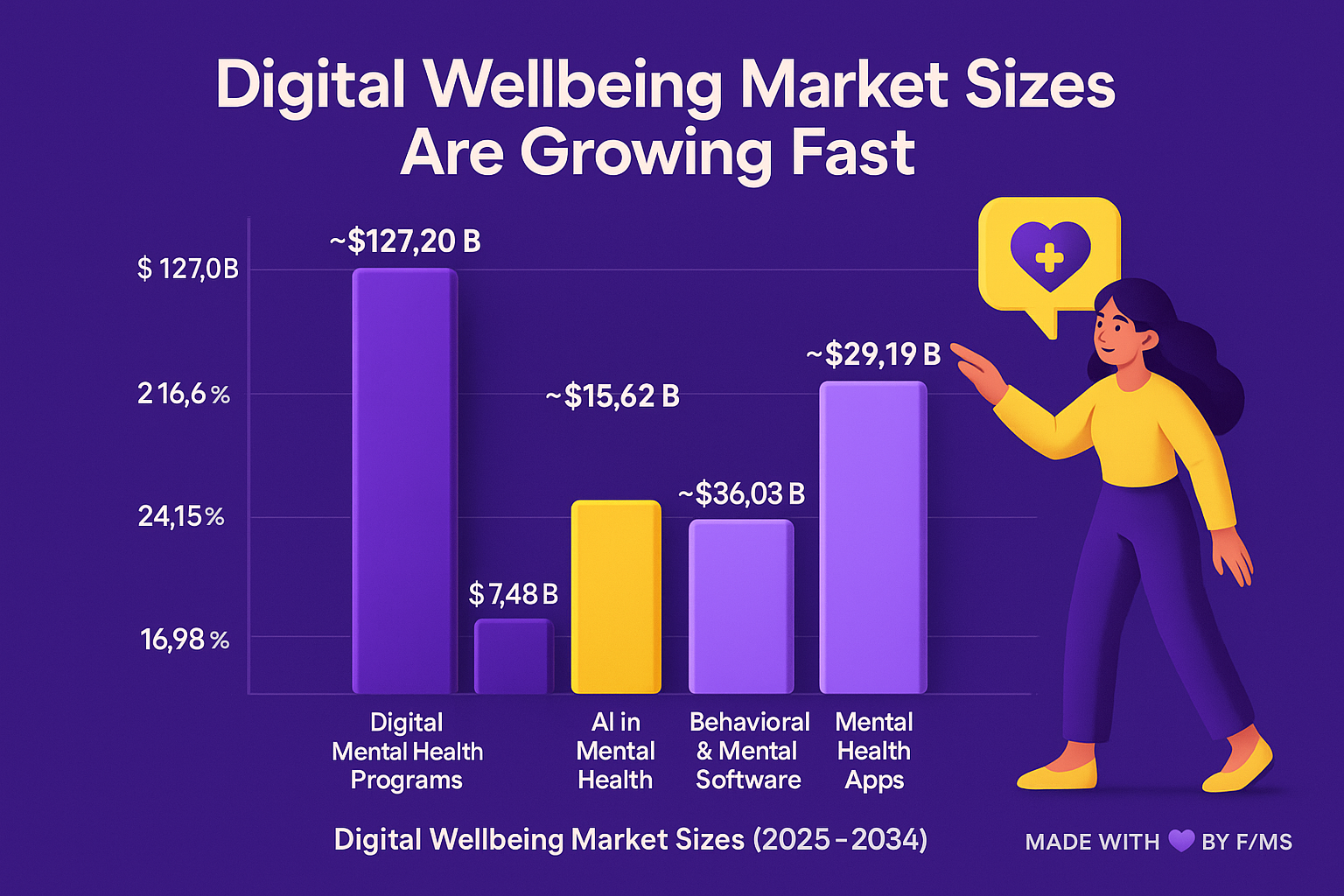
The mental health tech industry is booming, with several noteworthy stats underscoring this growth:
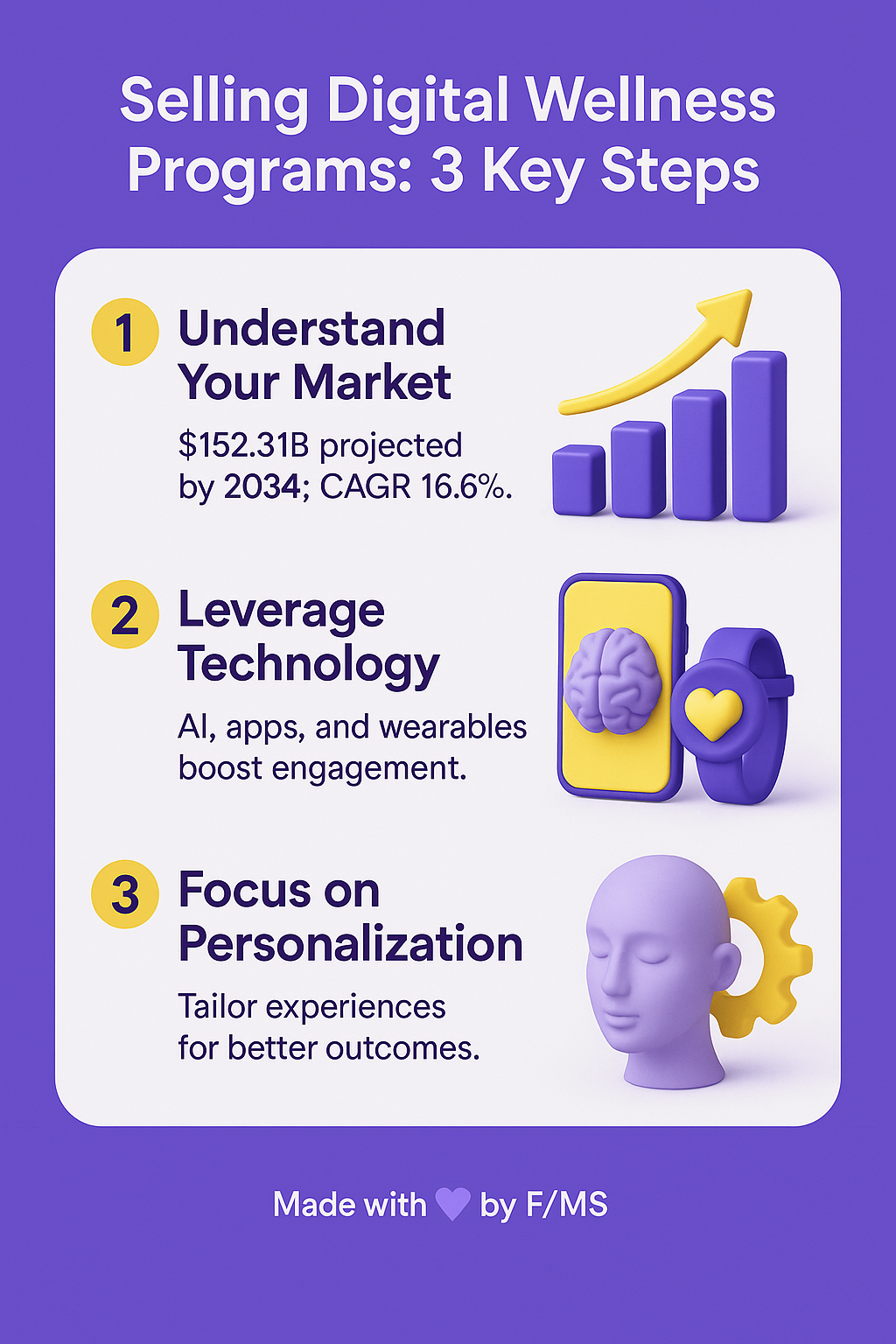
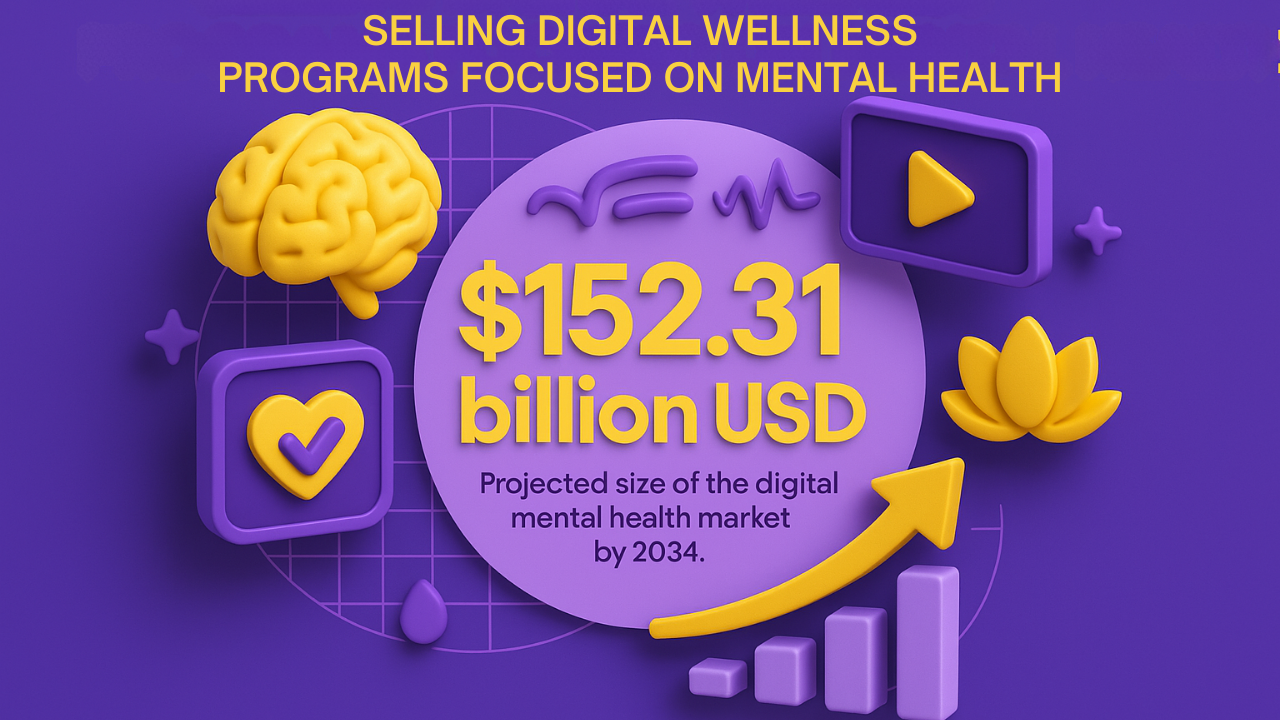
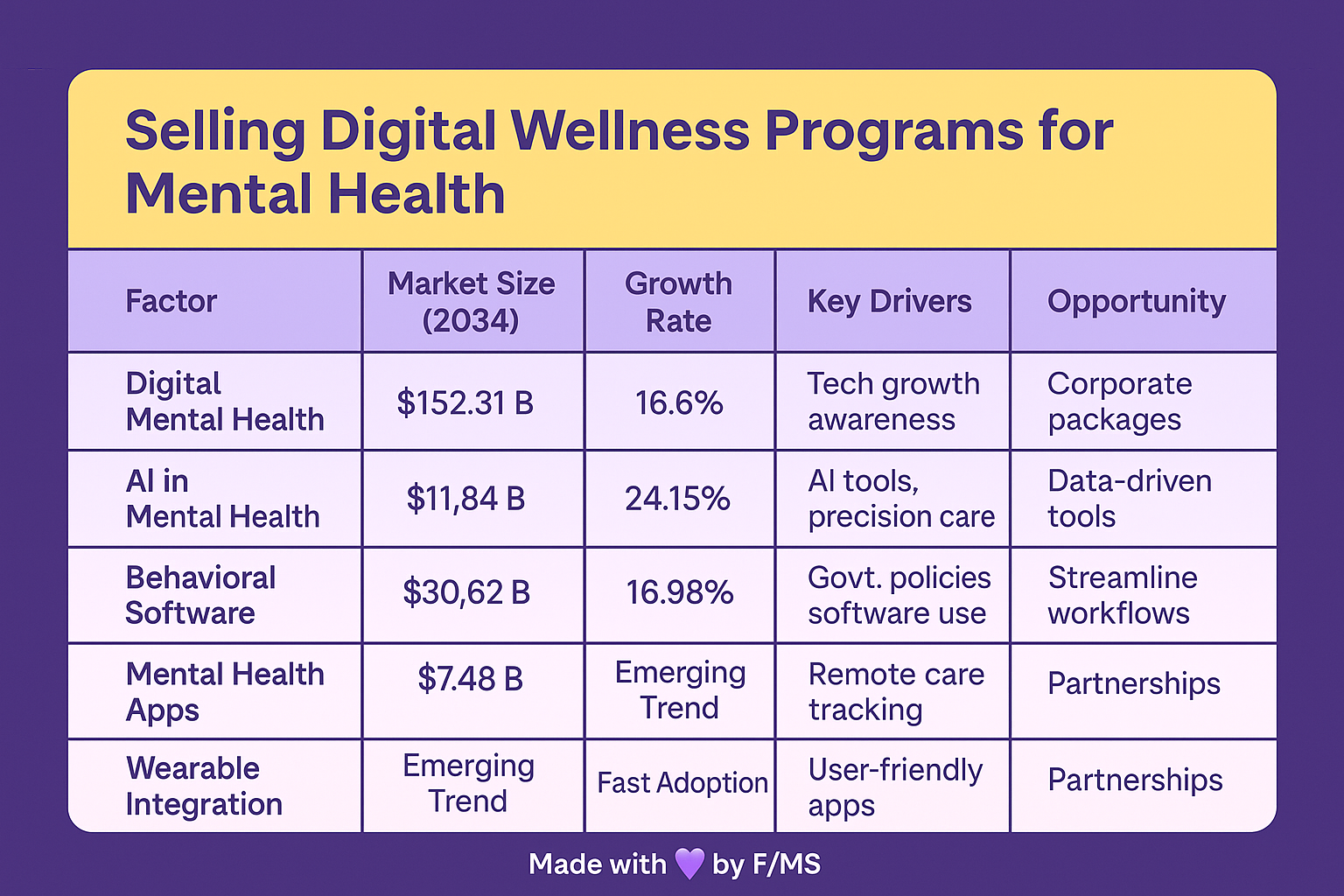
- The digital mental health market is projected to grow from $27.56 billion in 2025 to $152.31 billion by 2034, with a CAGR of 16.6%.
- Specialized niches like AI-driven mental health solutions are growing even faster, with an expected CAGR of 24.15%.
Key Market Segments:
- Behavioral & Mental Health Software: Expected to reach $30.62 billion by 2034.
- Mental Health Apps: Estimated at $7.48 billion in 2024, with a CAGR of 14.6%.
This data alone makes this year the perfect year to launch or scale a mental health-focused digital wellness platform.
7 PROVEN STRATEGIES TO SELL DIGITAL WELLNESS PROGRAMS
1. Start an MVP (Minimum Viable Product)
Launching a fully-featured digital wellness platform might sound tempting, but it’s smarter to begin with an MVP. Identify a niche problem like workplace stress, postpartum anxiety, or burnout, and build simple, outcome-focused programs targeting that audience.
Why an MVP works:
- Tests customer demand and interest without excessive time or financial commitments.
- Helps you gather feedback from your first customers before scaling.
Example MVP Idea: A 7-day mindfulness exercise program for busy professionals available as a mobile app or email subscription.
2. Define Your Target Audience Clearly
Understanding your audience is key to creating mental health solutions that resonate. Various demographics struggle with distinct challenges that require nuanced solutions. This could include college students managing exam anxiety, young mothers coping with postpartum depression, or employees dealing with workplace burnout.
Specific Target Profiles:
- Millennials juggling career and family responsibilities.
- Gen Z students dealing with academic stress and relationship anxieties.
- Freelancers seeking balance in their gig work.
By narrowing your focus, developing relevant features (like guided meditations or AI-based journaling tools) becomes a streamlined process.
3. Leverage Visual Storytelling for Branding
Creating trust is especially critical in the wellness industry. Your branding and visuals must communicate credibility, safety, and empathy. Invest in clean designs, calming colors, and relatable imagery that appeals to your audience’s emotions.
Tip: Use infographics and charts to educate your audience about the effectiveness of your solutions. A visual like this market breakdown example is particularly inspiring:
4. Build a Subscription-Based Model
Subscription models make your program both affordable for users and profitable for you. With monthly or annual plans, it’s easier to generate predictable revenue while keeping customers engaged long-term.
Example Pricing Models:
- Free tier with limited access to features.
- Premium tier ($10/month) for mental health tracking, daily affirmations, and weekly therapy session discounts.
5. Prioritize Marketing Before You Build
Marketing Hacks to Implement Today:
- Use targeted Facebook and Google ads tailored to specific groups like college students or stay-at-home parents.
- Collaborate with mental health influencers to amplify your outreach.
- Optimize your strategy with the F/MS Marketing Services for guest blogging opportunities and permanent backlinks.
6. Use AI to Enhance Personalization
AI is already transforming digital mental health by delivering deeply personalized care based on real-time data. Integrate AI features like:
- Mental health chatbots for on-demand support.
- Machine learning algorithms for progress tracking.
- Natural language processing (NLP) for mood journaling.
This not only improves user outcomes but also sets you apart from competitors.
7. Optimize for SEO and Search Discovery
SEO isn’t optional when selling digital wellness programs. Leveraging SEO helps you rank higher on Google, Bing, and even in AI-driven tools like ChatGPT or Perplexity.
SEO Strategies to Consider:
- Publish weekly blog content using AI SEO tools, ensuring that your content ranks higher and reaches top searches.
- Incorporate multi-channel strategies using AI-optimized social media posts derived directly from your blogs.
This way, leads not only find you but stay engaged through high-value content.
Avoid These Common Mistakes
- Failing to Address Privacy Concerns: Mental health is a sensitive area. Ensure you comply with regional data privacy laws like GDPR or HIPAA.
- Ignoring Feedback from Early Users: If your MVP doesn’t resonate, take that feedback as an opportunity to pivot.
- Overloading Features in the Beginning: Focus on doing one or two things exceptionally well rather than cramming too many features.
How to Find Your First Customers
- Networking Groups: Offer free trials or discounts in mom groups, student communities, or professional organizations.
- Partnerships: Collaborate with schools, workplaces, or mental health NGOs to offer your program as part of their wellness packages.
- Webinars & Case Studies: Highlight testimonials or run free webinars to showcase the transformative impact of your program.
CONCLUSION
Digital wellness programs centered around mental health are not just a market opportunity, but a meaningful way to create positive change. By focusing on key strategies like building a clear target audience, leveraging AI for personalized care, and implementing smart marketing tactics, you can establish a thriving business.
Now is the time to take the leap and align your passion for mental health with a proven, scalable model. With the right tools and strategies, the digital wellness industry can be both profitable and profoundly rewarding.
FAQ on Selling Digital Wellness Programs for Mental Health
1. Why is the digital mental health market growing so rapidly?
The digital mental health market is expanding due to factors like rising awareness of mental health, government initiatives, and technological advancements such as AI. The market is projected to grow from $27.56 billion in 2025 to $152.31 billion by 2034.
2. What are some examples of successful digital wellness programs?
Examples include mindfulness apps like Calm and AI-powered journaling tools like Woebot. These programs focus on simple, effective solutions for stress management and emotional well-being.
3. Should I focus on one niche when launching my digital wellness program?
Yes, targeting a niche like workplace stress, postpartum mental health, or burnout allows you to create solutions tailored to specific groups. Starting with an MVP (Minimum Viable Product) is a smart way to test the waters without significant financial commitment.
4. How can I build trust with users in the digital wellness industry?
Building trust requires transparency, strong data protection policies, and empathetic branding. Leveraging calming visuals and relatable stories in your marketing can also help foster connections with potential users.
5. Is a subscription-based model viable for digital wellness programs?
Absolutely! Subscription models offer affordability for users and predictable revenue for businesses. Options like free tiers and premium plans with enhanced features attract various customer segments.
6. What role does AI play in enhancing digital mental health solutions?
AI improves mental health programs by providing personalized care, real-time support, and mood tracking. Features like AI-powered journaling tools and chatbots set these solutions apart from traditional methods.
7. Can I use AI to write SEO-optimized articles that help my brand grow?
8. How can I market my digital wellness program effectively?
Start by using targeted ads, guest blogging, and influencer collaborations.
9. How do I address privacy concerns in digital wellness?
To protect user data, follow regional regulations like GDPR and HIPAA. Transparent communication about data storage and usage builds trust among users in handling sensitive mental health information.
10. What are the common mistakes to avoid in this industry?
Common pitfalls include launching with too many features, ignoring early user feedback, and failing to prioritize data privacy. Starting simple and iterating based on user needs is critical to long-term success.


